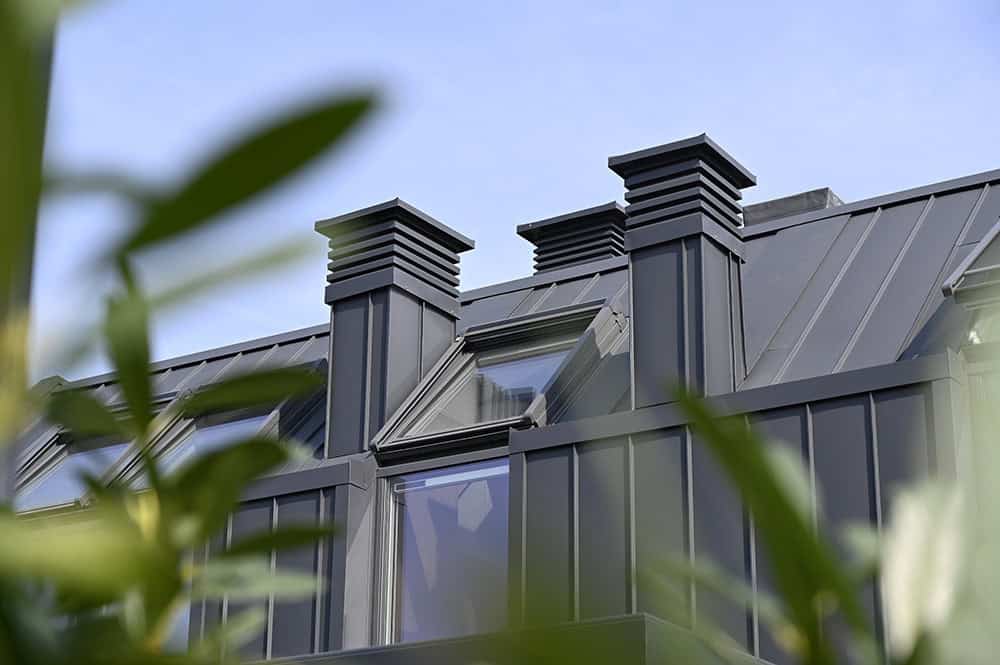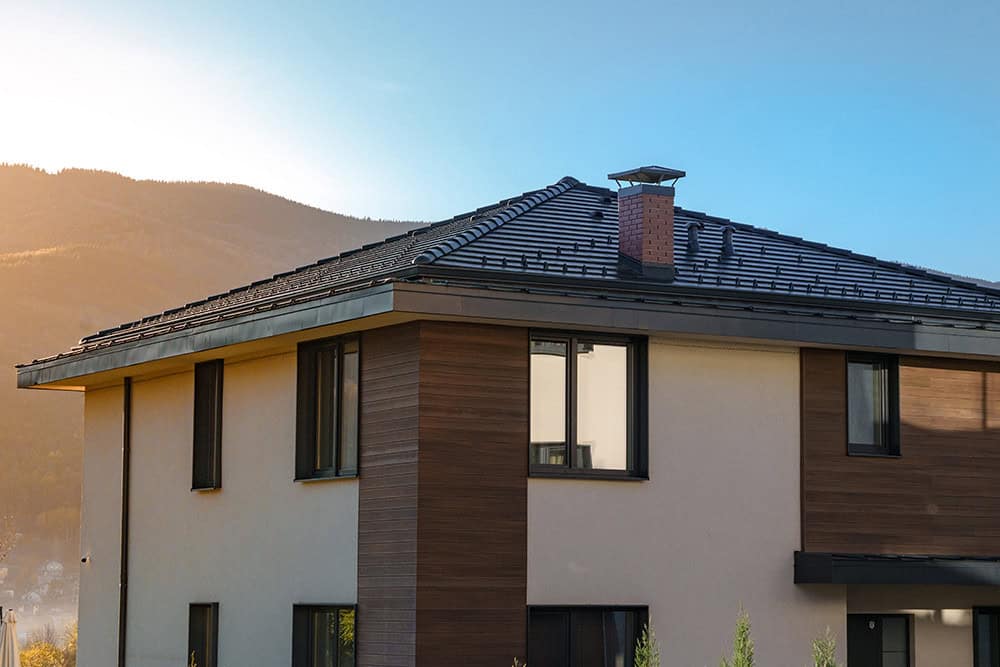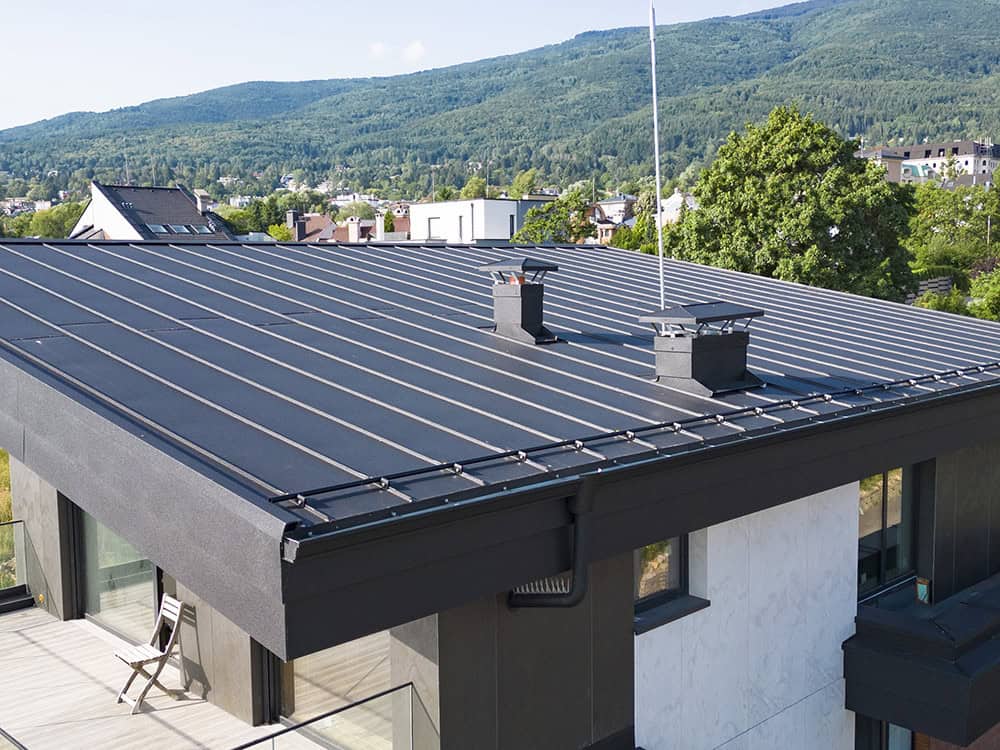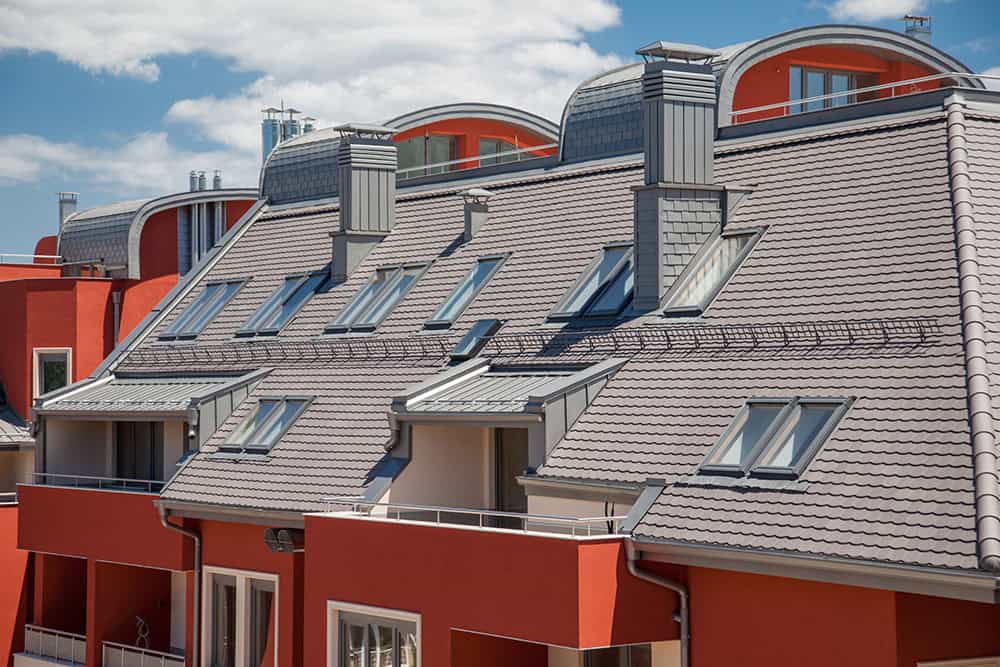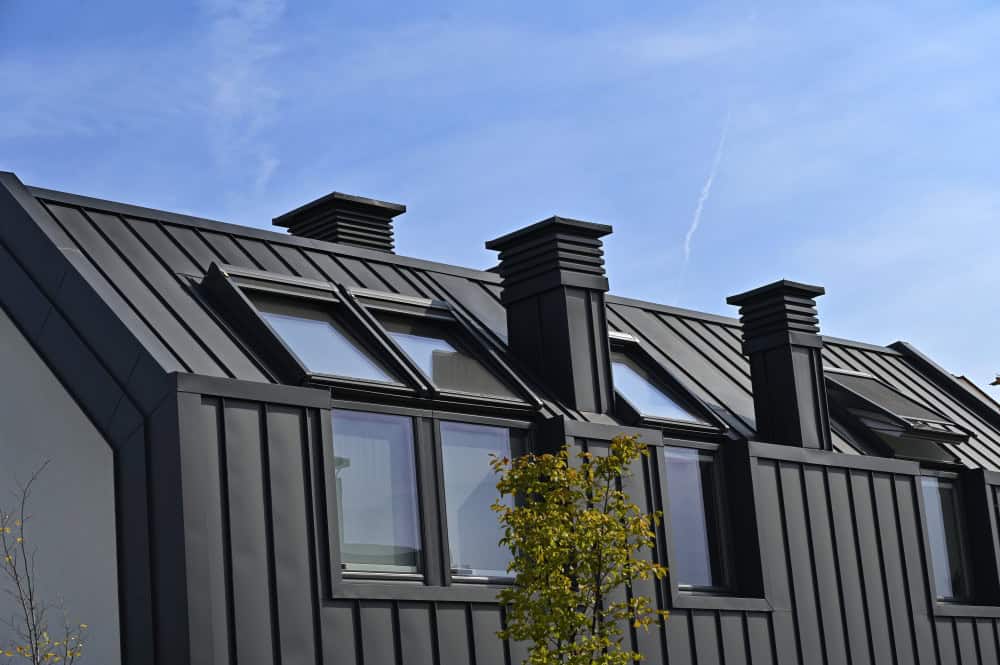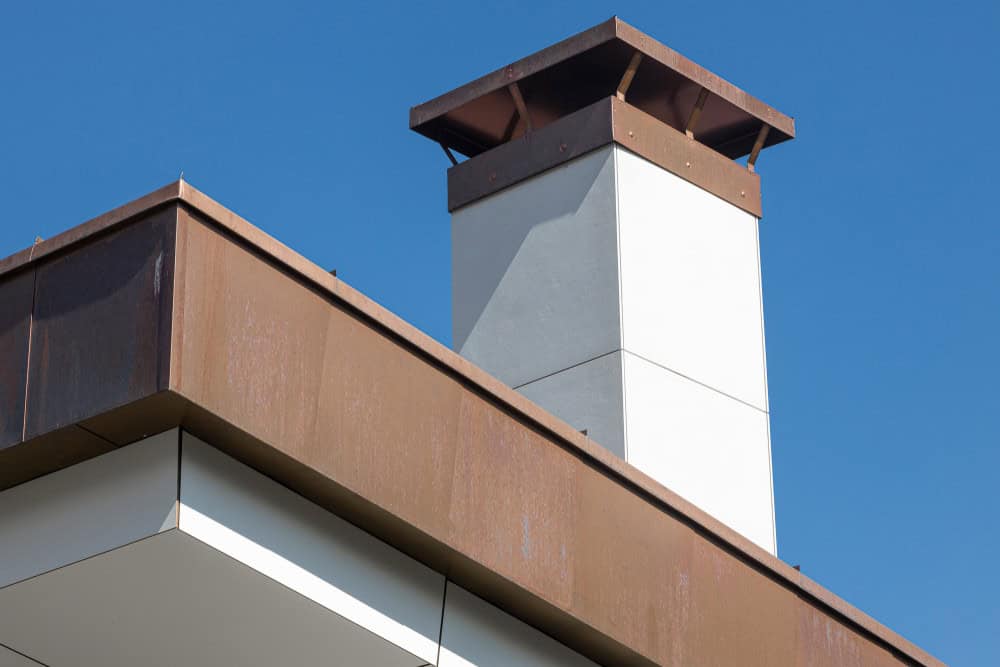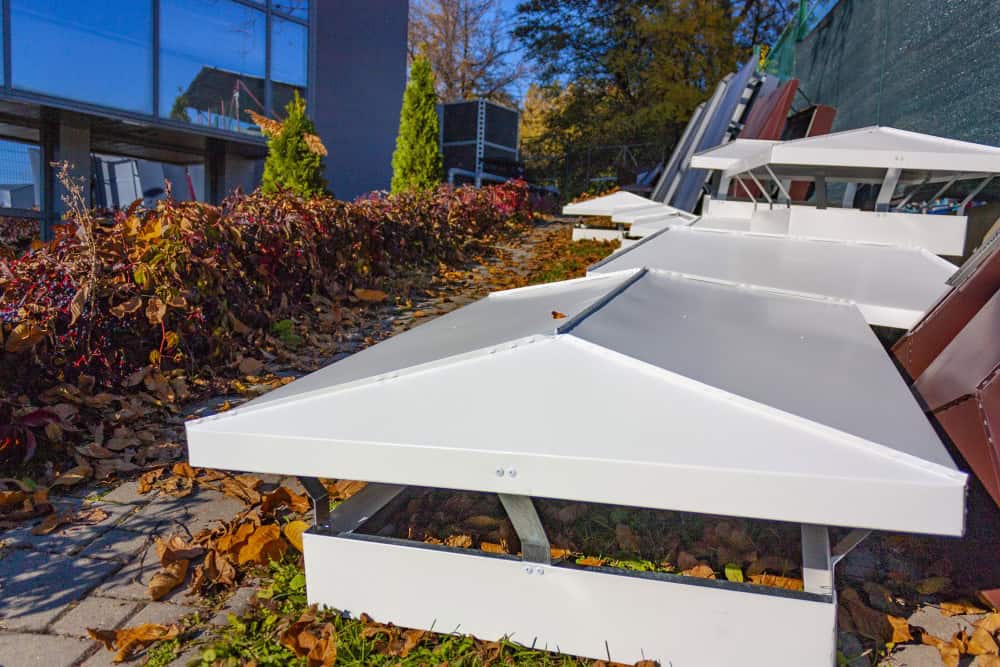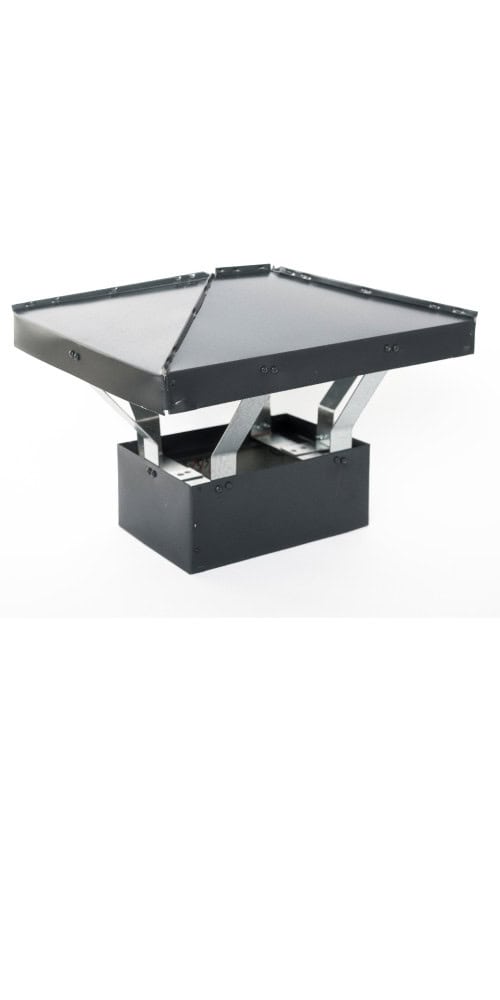
VAS PRO chimney caps effectively protect against moisture, rain, snow, dust and birds or debris entering the chimney, thereby extending the life of the chimney system and improving its safety.
The construction has an extremely sturdy base, ensuring stable installation and durability even in strong winds and adverse weather conditions.
Chimney caps help improve the draught and natural ventilation of the flue, preventing backdraughts and soot build-up.
VAS PRO offers the manufacture of complex caps that can cover several chimneys at once - i.e. customised solutions for more complex roof structures or buildings with multiple flues.
All models are made from high-quality materials resistant to corrosion and wear, guaranteeing minimal maintenance costs and excellent condition over a long period. These advantages make VAS PRO chimney caps a reliable, durable and versatile solution for any roofing system.
For chimney cap prices HERE.
For more information about sheet-metal chimney caps HERE.
Не е попълнено
Не е попълнено
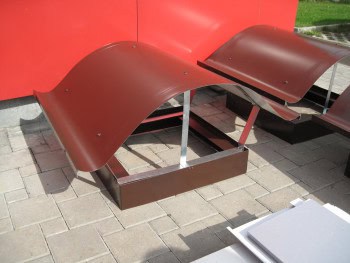
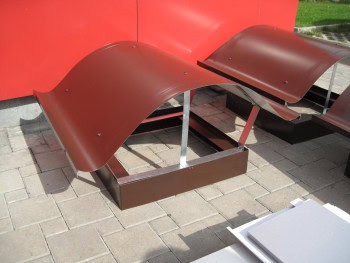
For the construction, studs made of galvanized sheet metal are used, with only the top part being solid. They are usually made from sheet metal bent/rounded into an arch shape.
These are a variant of the arched type, where the sheet metal is shaped into two slopes, folded at an angle, rather than rounded.
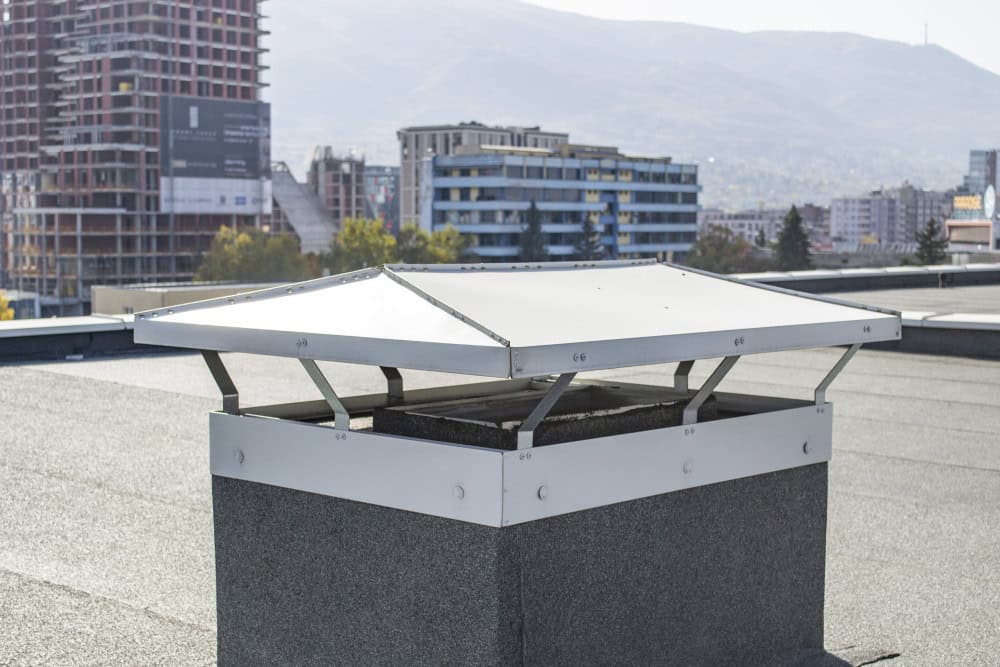
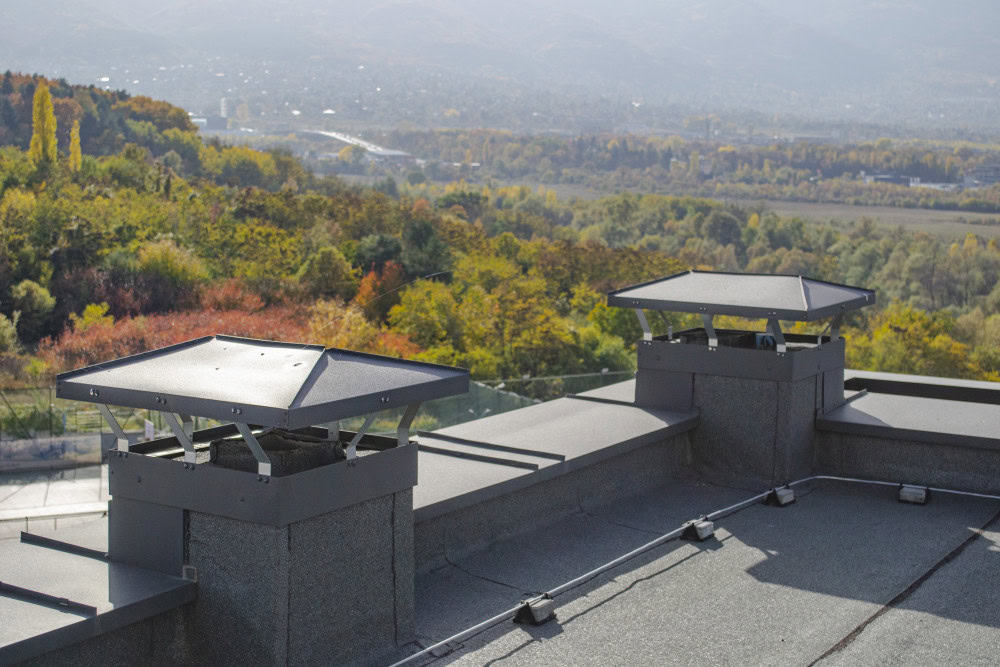
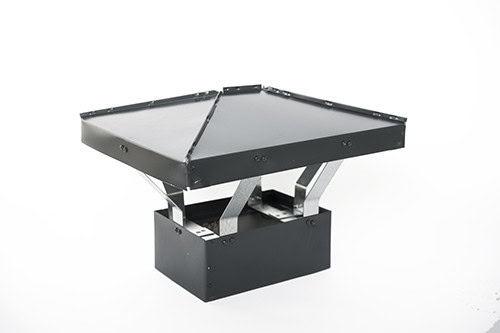
Studs are again used for the construction, but the caps are much more massive and stable. The joining of the individual slopes, as well as the solid horizontal band at the lowest part, stiffen the chimney body, making it much more resistant to wind loads. Four-sloped caps are the most common.
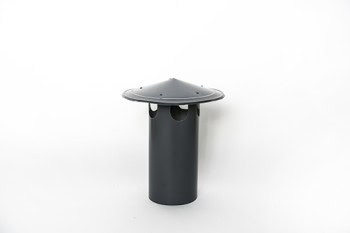
Used mainly to finish ventilation outlets. The topmost element is cone-shaped.
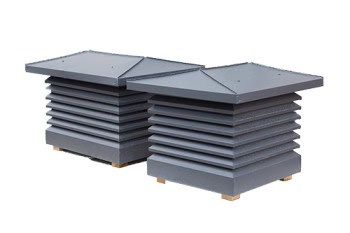
These are usually more massive and heavier than standard caps. They are traditionally installed over a "nest" of roof ducts so that several nearby outlets can be covered with a single finish. They are also often installed on the ground as a landscape-architecture element. Their name comes from the vertical walls, which are made of Z-shaped lamellas, forming louvres. On top, their roof part remains solid, like traditional four-sloped caps. For these products, the openness/ventilation percentage prescribed by the HVAC designer must be observed, so as not to compromise the intended convection.